Dock & Lift Rules for La Crescent Shoreland Owners

November 6, 2025

Thinking about adding a dock or lift to your La Crescent shoreline? It’s exciting to picture easy boat days on the Mississippi, but getting it right takes a little planning. You want safe access, friendly neighbor relations, and zero surprise fines. This guide walks you through the approvals, key rules, and practical steps so you can move forward with confidence. Let’s dive in.

Who regulates docks and lifts here

State and federal agencies

On the Mississippi River and other public waters, the Minnesota Department of Natural Resources oversees activities in the water. The DNR runs the public waters work permit program and sets shoreland guidance that local governments implement. Because the Mississippi is a major navigable waterway, the U.S. Army Corps of Engineers also reviews projects that affect navigation or federal wetlands.

City and county roles

Inside La Crescent city limits, the city handles local zoning and building permits and may enforce specific dock or riparian standards. If your property is in unincorporated Houston County, the county’s shoreland and land use ordinances apply. Local rules add detail on setbacks, vegetation protection, and what you can build above the waterline.

Why multiple approvals matter

One project can require sign-off from more than one agency. A seasonal, removable dock may be simpler than a permanent structure, while a fixed pier with pilings or any work that fills, anchors, or alters the riverbed can trigger state and federal permits. Check with all relevant offices early so you know the exact path.

Key rules you should know

Public waters vs private waters

The Mississippi River is public water. Activities waterward of the shoreline on public waters are regulated, and many projects need a DNR public waters permit. Do not assume a small dock is exempt. Confirm status with the DNR and your local permitting office.

Ordinary High Water Level

The Ordinary High Water Level is the line that often marks where additional rules kick in. It helps determine setback requirements, what counts as in-water work, and where state or federal jurisdiction begins. A surveyor or local staff can help you locate this line on your parcel.

Permit triggers

You will likely need permits for any construction waterward of the OHWL, especially if it involves permanent supports, fill, or anything that could affect navigation or water flow. Seasonal, removable docks and lifts may qualify for exemptions, but size, type, and number of watercraft matter. Always verify before you build.

Dock and lift types

  • Seasonal removable docks often face fewer hurdles than permanent structures.
  • Floating docks can limit bed disturbance compared to piling-supported docks, though they still may require review.
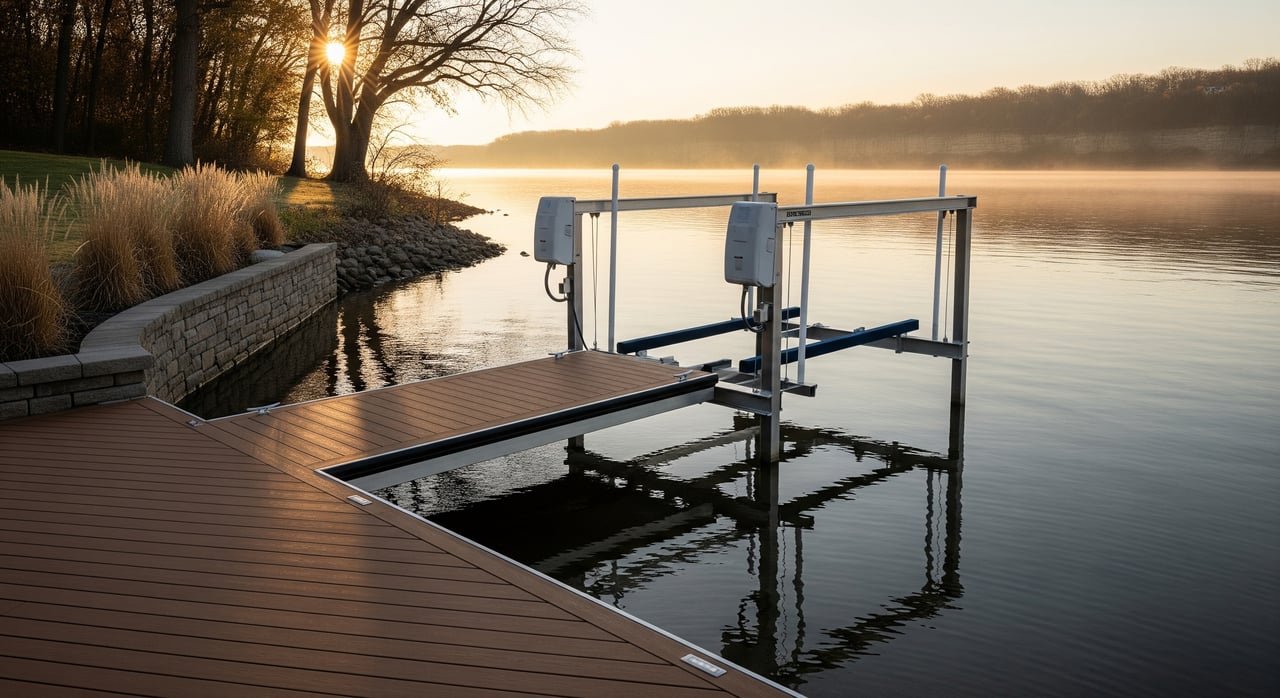
  • Boat lifts and davits have placement and anchoring rules that can differ from docks. Share your exact equipment details when you contact the agencies.

Navigation and public safety

Your setup cannot obstruct navigation channels or public access. On the Mississippi, reviewers look closely at nearby channels, boat launches, and how your dock will interact with current, debris, and ice conditions.

Vegetation and erosion control

Expect limits on clearing within the shore impact zone and on bluffs. Many ordinances require erosion control measures and native plantings to stabilize disturbed areas. This protects water quality and reduces maintenance issues over time.

Mississippi River specifics in La Crescent

Riverfront properties on the Mississippi commonly involve both DNR and USACE review. That extra layer means you should plan more lead time than you might need on a small inland lake. Local navigation, nearby public access, and channel alignment are part of the analysis. Build your timeline around this reality, especially if you are targeting a specific season.

Step-by-step: Do you need a permit

  1. Confirm your jurisdiction
    • Determine whether your property is in La Crescent city limits or unincorporated Houston County. Start by contacting the City of La Crescent planning or building office, or the Houston County land use office.
  2. Identify the waterbody
    • Confirm that your shoreline is on public water. The Mississippi River is public and navigable.
  3. Locate the OHWL and property lines
    • Use a survey or plat. If needed, ask a surveyor or local staff to help establish the OHWL. This drives setbacks and permit decisions.
  4. Prepare a simple site plan
    • Show lot lines, the OHWL, proposed dock and lift locations, dimensions, distances from adjoining properties, and distance from navigation channels.
  5. Call your local authority first
    • Ask the city or county about local permit needs and whether your plan meets shoreland standards.
  6. Contact the DNR
    • Describe your dock or lift, including type, size, and how it will be anchored or removed for winter. Ask if you need a public waters work permit or if an exemption applies.
  7. Check with the USACE
    • On the Mississippi, request guidance from the local USACE regulatory office to see if a federal permit is required.
  8. Ask about other constraints
    • Confirm any utility easements, public access considerations, neighbor riparian boundaries, and floodplain issues.
  9. Submit complete applications
    • Expect multi-agency coordination. Reviews can take several weeks to months depending on complexity.
  10. Get approvals in writing
  • Keep copies of permits and approved plans. Follow all conditions before, during, and after installation.

What to have ready when you call or apply:

  • Parcel number and address
  • A simple drawing with dimensions and distances
  • Photos of your shoreline and context up and downstream
  • Survey showing the OHWL if you have it
  • A description of the dock type, materials, anchoring, and seasonal removal plan

Smart design and neighbor-friendly practices

  • Start early and document everything. Written approvals and records of conversations help prevent disputes and delays.
  • Use a licensed surveyor for OHWL and lines. Many conflicts begin with incorrect assumptions about boundaries.
  • Choose lower-impact options. Removable floating docks can reduce environmental disturbance and often simplify approvals.
  • Keep distance from side lot lines. Center your dock within your frontage to avoid encroachment concerns.
  • Consider shared-dock agreements. Written, recorded agreements clarify access, maintenance, and liability when frontage is tight.
  • Communicate with neighbors. A quick heads-up before you apply can smooth the review process.
  • Protect vegetation and manage erosion. Keep clearing minimal, use native plants, and include erosion controls in your plan.
  • Plan for ice and current. Seasonal removal and smart anchoring reduce damage and long-term costs.
  • Review insurance. Ask your carrier about coverage for docks, lifts, and shared structures.

Timelines, enforcement, and costs

Local permits for simple, seasonal docks can be quick, but projects needing DNR or USACE review can take several weeks to months. If you start work without required approvals, you risk stop-work orders, fines, removal and restoration requirements, and the possibility that an after-the-fact permit is denied. Building a clear, complete application and giving reviewers the information they need will save time and money.

Buyers: what to check before you offer

If you are shopping for La Crescent or Houston County shoreline, factor dock and lift rules into your due diligence. Ask for recent surveys, past permits, and any correspondence with the city, county, DNR, or USACE. Confirm whether the existing dock is seasonal or permanent and whether it conforms to local and state rules. If you plan to expand or change the setup, talk with the city and DNR early so you can price and time your project realistically.

Ready to plan your dock

Whether you are upgrading a riverfront home or buying your first place on the water, a clear plan prevents headaches. If you want a second set of eyes on how dock rules, floodplain, and shoreline use could affect value or timing, connect with a local guide who understands both outdoor lifestyles and the permitting landscape. To talk through options for your shoreline purchase or sale, reach out to Cam Kelly and schedule a free consultation.
FAQs

Do La Crescent riverfront docks always need permits

  • Many do. The Mississippi River is public and navigable, so DNR and often USACE review can apply. Confirm requirements with the city or county, the DNR, and the USACE before you build.

What is the Ordinary High Water Level and why it matters

  • The OHWL marks a regulatory line used for setbacks and determining what counts as in-water work. Knowing its location on your lot helps you avoid violations and delays.

Can a small, seasonal dock avoid permits in La Crescent

  • Sometimes, but not always. Exemptions depend on size, type, and number of watercraft. Verify with local staff and the DNR rather than assuming you qualify.

Who do I call first about a new dock on the Mississippi

  • Start with the City of La Crescent planning or building office, or Houston County if you are outside city limits. Then contact the DNR and the USACE for state and federal guidance.

What happens if I install a dock without approvals

  • You may face stop-work orders, fines, required removal, and restoration. After-the-fact permits are not guaranteed and can cost more than doing it right from the start.

How long do dock and lift permits take on the Mississippi

  • Simple local approvals can be quick, but projects needing DNR or USACE review often take several weeks to months. Build this into your timeline, especially for spring launch.

Buy. Sell. Live the La Crosse Lifestyle

At OneTrust Real Estate, we take the time to understand your unique needs and use our knowledge of La Crosse County’s market to deliver exceptional results. Whether it’s finding your ideal lakeside retreat or securing the best deal for your current property, we’re here to make the process stress-free and rewarding.