
Downtown vs South Side: Choosing Your La Crosse Neighborhood
December 18, 2025
December 18, 2025
Trying to decide between the energy of Downtown La Crosse and the quiet rhythm of the South Side near the bluffs? You’re not alone. Both areas offer great lifestyles, just in different ways. In this guide, you’ll learn how day-to-day life, outdoor access, housing styles, and commute patterns compare so you can choose the neighborhood that fits how you actually live. Let’s dive in.
Downtown puts you close to the Mississippi River, restaurants, coffee shops, and local events. You can walk to dining, entertainment, and riverfront parks without getting in the car. Housing includes apartments, condos, mixed-use buildings, and some older single-family homes near commercial streets. Lots tend to be smaller and parking is more limited.
South Side neighborhoods climb toward the bluffs and feel more residential and relaxed. You’ll see more single-family homes, curving streets, and homes with yards. Many areas offer quick access to bluff trails and scenic overlooks. If you want space, quieter streets, and a strong connection to nature, the South Side delivers.
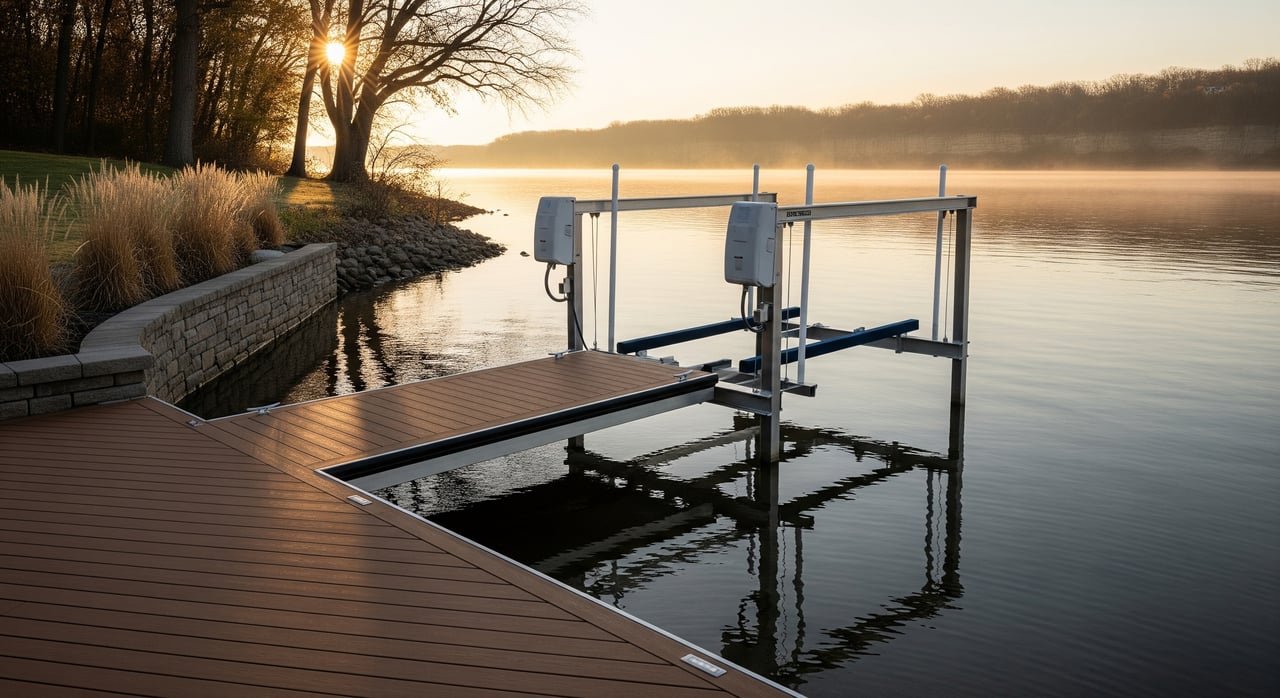
If your daily routine includes a stroll along the riverwalk or quick access to seasonal festivals, downtown is a strong match. Riverfront parks offer walking paths, boat access, and community events. You can get outside on a whim, then grab dinner nearby. The paved paths and flat terrain make casual biking and walking easy.
If you love hiking, bluff overlooks, and wooded trails, South Side neighborhoods near Grandad Bluff and other elevated parks are ideal. Many streets sit close to trailheads and connector paths. You can lace up your boots for a quick after-dinner hike or plan weekend mornings around panoramic views across the river valley.
Downtown housing mixes historic buildings with modern infill. You’ll find condo conversions, apartments, and loft-style units, plus some older single-family homes tucked along tree-lined blocks near the core. Expect smaller lots, shared or structured parking, and the convenience of living close to local businesses. Some parcels near the river sit at lower elevations, so it is important to verify floodplain status for specific properties.
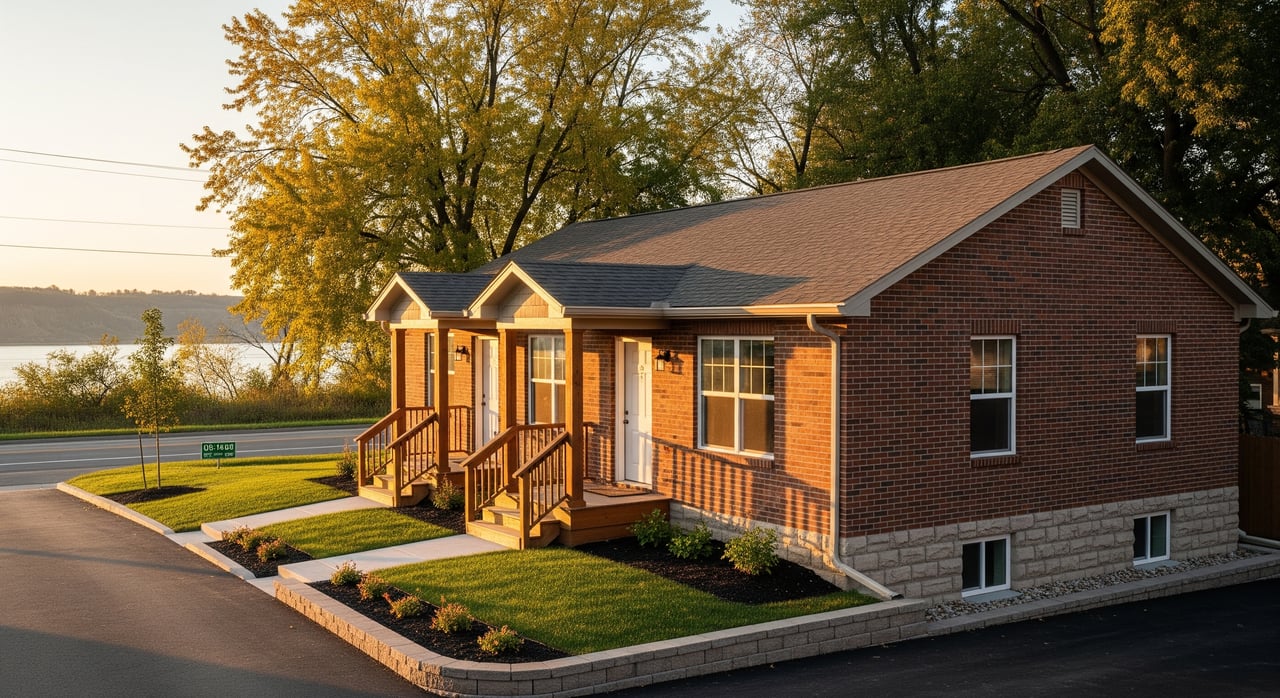
The South Side features more single-family homes with larger lots and a variety of styles. Craftsman bungalows, mid-century ranches, and newer suburban-style homes are common. The terrain shapes how homes sit on lots, so you may see sloped driveways, stepped foundations, and terraced yards. Some homes capture bluff or valley views that feel like you’re living inside a postcard.
Before making an offer, use this checklist to confirm key details:
Downtown supports a car-light lifestyle. You can walk to restaurants, offices, and cultural venues, and central transit stops make bus travel straightforward. If you bike, flatter streets and river paths help you get around at an easy pace. The tradeoff is tighter parking and potential meter costs.
The South Side favors drivers. Most homes include driveways or garages, and on-street parking is typically easier. If you commute to outer-ring employers or use the highway often, South Side routes can be convenient. You will likely drive for errands if you are not located near a commercial corridor.
Downtown and the river corridor are friendlier for casual cyclists because of flatter terrain and lower-speed streets near shops and cafes. Bluff routes on the South Side are hillier and better suited to riders comfortable with climbs and descents. If cycling is part of your daily commute, factor in elevation changes and route options.
Low-elevation, river-adjacent parcels can fall within FEMA flood zones, which may trigger insurance requirements for lenders. On the South Side, bluff proximity can introduce slope stability and runoff considerations. For any property you are serious about, confirm the flood zone and ask about drainage, retaining walls, and any past erosion or stormwater measures.
School attendance boundaries can vary within both downtown and South Side neighborhoods. If schools are a priority, review official boundary maps and school profiles for the specific streets you are considering. Many South Side areas place elementary schools within a short drive or walk, but verify by exact address rather than relying on general assumptions.
Downtown condos and lofts appeal to buyers who want walkability and easy access to entertainment. Demand can fluctuate with inventory and seasonality. South Side single-family homes tend to draw buyers who value space, yards, and views. Bluff views can boost desirability, but hillside maintenance and unique lot shapes can narrow the buyer pool. Align your purchase with your daily routine as well as your long-term plans.
When you are ready to explore neighborhoods on the ground, schedule a few back-to-back showings in both areas. Walking a block at dusk, driving the morning route, and visiting a nearby trailhead will quickly reveal which area matches your lifestyle.
If you want a guide who understands both riverfront living and bluff-side trails, reach out to Cam Kelly | OneTrust Real Estate to compare listings, verify property details, and map your daily routine to the right home.
Lifestyle
Achieve Efficiency and Comfort Without Breaking the Bank
Real Estate
Enhance Your Home's Worth with These High-Impact Improvements
At OneTrust Real Estate, we take the time to understand your unique needs and use our knowledge of La Crosse County’s market to deliver exceptional results. Whether it’s finding your ideal lakeside retreat or securing the best deal for your current property, we’re here to make the process stress-free and rewarding.