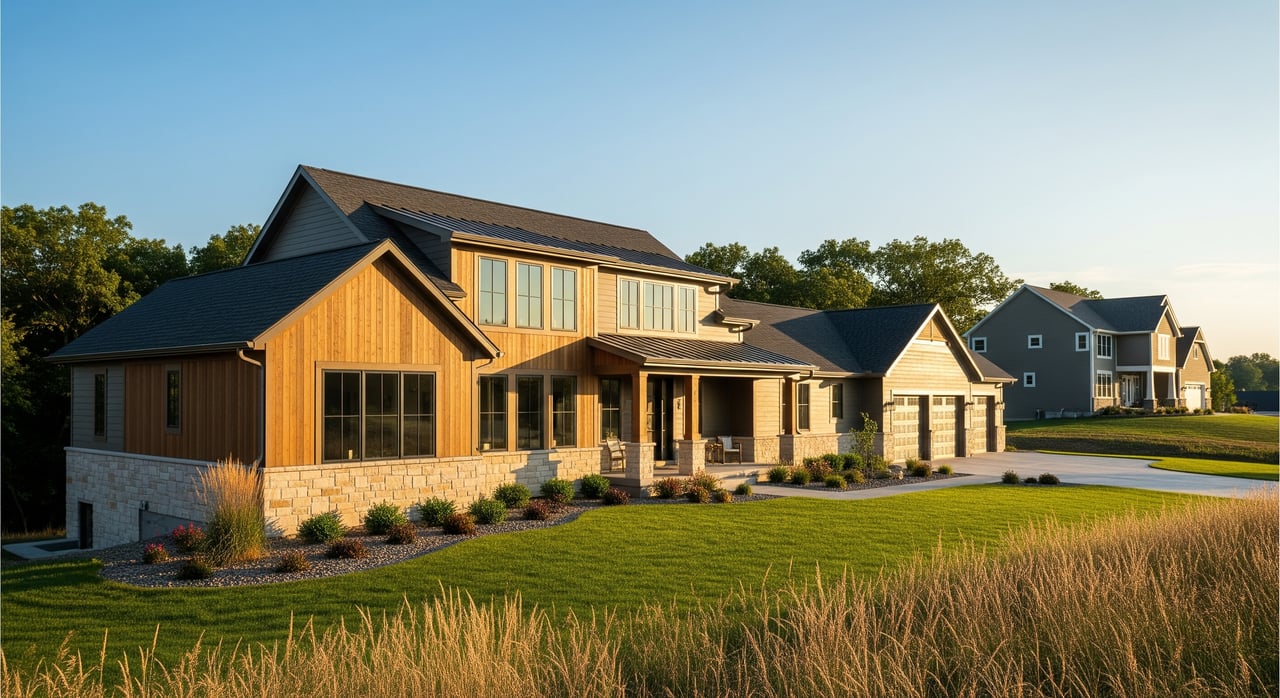
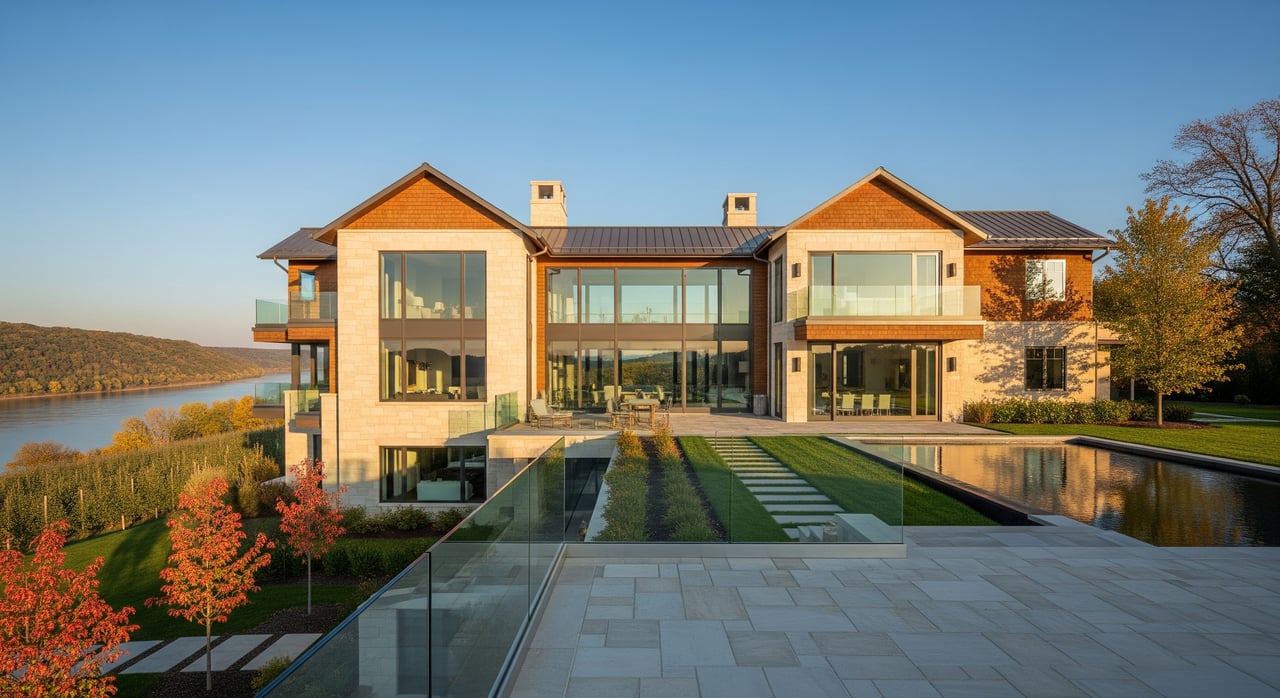
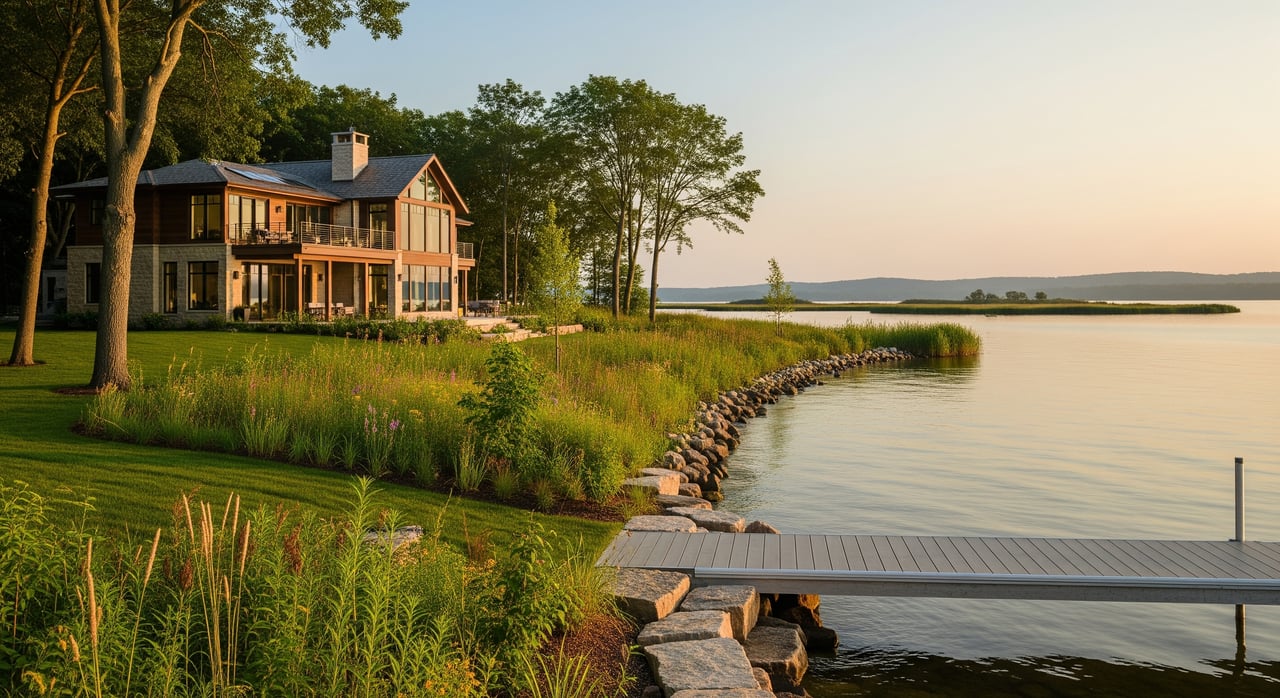
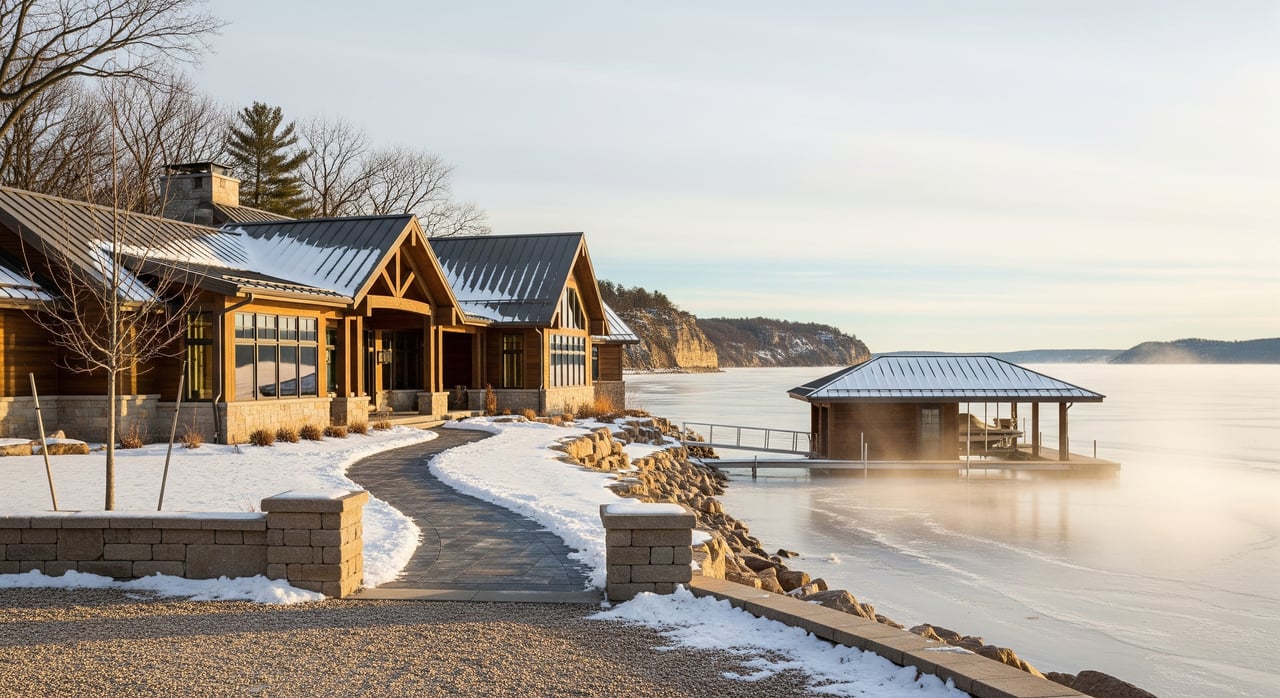
Trying to decide between a spec home and a custom build in Shelby? You have great options in 54601, but the right choice depends on your timeline, budget, and how much control you want over design. In our bluffs-and-river valley, lot conditions and local approvals can shape both cost and schedule. This guide breaks down how spec and custom builds compare in Shelby, what to expect with local lots and permits, and the steps that keep your project on track. Let’s dive in.
Spec vs custom at a glance
Spec home: A builder buys the lot and builds a home from a preselected plan and finishes. You purchase during construction or at completion.
Custom build: You choose the lot, commission plans, and hire a builder or design-build firm to create a home tailored to your needs.
- Time to move-in: Spec is usually faster because the lot, plan, and permitting are underway. Custom typically takes longer due to design and approvals.
- Personalization: Custom offers near-total design control. Spec homes usually allow limited changes or options.
- Price certainty: Spec provides a clearer purchase price at sale. Custom can see more change orders and budget updates during design and construction.
- Financing: Spec buyers often use a standard mortgage at closing. Custom buyers usually use a construction loan that converts to permanent financing.
- Resale fit: Spec homes are built for broad market appeal. Custom homes can add unique features, which may not always match neighborhood norms.
Shelby timelines and seasons
Spec home timing
Most spec builds in our area take about 4 to 8 months once construction starts, depending on size and finishes. Builders already own the lot and have a plan, so you shortcut early steps. You usually close with a traditional mortgage at or after completion.
Custom build timing
Expect 9 to 18 months from contract to move-in. Plan for lot selection and feasibility, design and contracts, permits and approvals, then 6 to 12 months of construction depending on complexity and selections.
Winter and weather impact
La Crosse winters can slow exterior work, grading, and septic or well installations. Frozen ground and snow can push foundation or sitework into spring. If you are targeting a specific move-in date, build your schedule with seasonal buffers.
Costs you should plan for
Major cost components
- Lot purchase: Price varies with location, views, size, and utility availability.
- Site preparation: Clearing, grading, erosion and stormwater control.
- Foundation: Many Wisconsin homes include basements, which require excavation and waterproofing.
- Utilities: Municipal sewer and water hookups if available, or septic system and well if not.
- Driveway and hardscaping: Length and slope drive cost. Longer rural drives add more.
- Structure and finishes: Framing, roofing, windows, insulation, HVAC, plumbing, electrical, appliances, and interior finishes.
- Special site costs: Retaining walls, engineered fill, rock excavation, or ledge removal.
- Soft costs: Design fees, permit fees, impact fees, builder overhead, construction loan interest, and inspections.
How build type affects budget
- Spec: Builders leverage standard plans and bulk materials, which can lower cost per square foot. Buyers face fewer change orders because selections are set.
- Custom: Unique features, bespoke materials, and design revisions can raise costs and add variability. Fixed-price contracts can help control risk, but early clarity on scope matters most.
Financing differences
- Spec buyers: Typically use a conventional mortgage at completion. The builder carries construction financing.
- Custom buyers: Usually use a construction loan with interest-only payments during the build. Lenders require detailed budgets and draw schedules. The loan converts to a permanent mortgage when the home is complete.
Lots, topography, and utilities in 54601
Utilities: municipal vs septic and well
Confirm if the lot connects to municipal sewer and water or needs a private septic system and well. Ask for any available soil and perc test information, along with water table depth and well yield history. Utility setup can significantly affect cost and timeline.
Slope, soils, and the bluffs
Shelby’s hills and valleys offer great views but add complexity. Steeper lots may require daylight basements, stepped foundations, retaining walls, and careful drainage. Soil type and the presence of rock or ledge can increase excavation costs and shape foundation design.
Floodplain and wetlands
Check whether a lot is within a mapped floodplain. Building in a flood zone may require elevation or other mitigation and can impact insurance. Some sites near rivers, streams, or low-lying areas may have wetlands considerations. Bluff protection and setback rules can also apply in parts of the La Crosse river valley.
Access, setbacks, and driveways
Confirm who maintains the road and how snow removal works. Long or steep driveways add cost and affect winter access. Zoning setbacks and lot coverage rules will influence where you place the home and can shape your design.
Neighborhood rules and resale fit
If the lot is in a platted subdivision, review covenants or HOA guidelines for exterior materials, home size, and style. Matching the scale and finish level of nearby homes supports long-term value.
Permits, codes, and inspections
Who issues permits
Permit authority depends on where the lot sits. It may be the Town of Shelby, the City of La Crosse, or La Crosse County. Confirm jurisdiction for the specific parcel before you plan your schedule.
Typical approvals and inspections
New construction usually requires a building permit and approvals for septic or municipal hookups, driveway access, and erosion or stormwater control. Inspections commonly include footings and foundation, framing, insulation, mechanical and plumbing, then final occupancy.
Energy and efficiency
Wisconsin follows the International Residential Code with state amendments. Expect energy-code requirements for insulation and HVAC efficiency. Local energy programs may offer incentives or guidance for performance upgrades, so ask early in design.
Picking your builder and team
Builder types
- Production or spec builders: Build multiple homes using proven plans and options.
- Custom builders or design-build firms: Create one-of-a-kind homes in partnership with you and an architect.
- General contractor model: You hire the architect and GC, and the GC manages trades.
How to vet a builder
- Review recent projects in La Crosse and Shelby. Drive past finished homes.
- Ask for local references and call them.
- Confirm insurance and bonding. Understand lien release practices.
- Get a detailed, written contract that includes scope, specifications, timeline, change-order process, draw schedule, and warranty terms.
- Ask how they schedule and manage subcontractors.
- Look for association participation as a signal of professionalism.
Pros to add to your team
- Architect or designer with local experience.
- Geotechnical or soil engineer for challenging sites.
- Septic designer and well driller if off municipal utilities.
- Lender experienced with construction loans.
- Real estate agent with new-construction and lot expertise in the Coulee Region.
A smart first 30-day plan
- Clarify your timeline and must-haves. Decide how much personalization you need.
- Talk to a local lender about both standard mortgages and construction loans to understand costs and qualifications.
- Identify your target area within 54601 and shortlist potential lots or spec communities.
- Pull preliminary data: zoning, setbacks, and any known floodplain or bluff protections for each lot you like.
- Request soil and perc test info from the seller or builder and confirm utility availability.
- Interview at least three builders. Compare standard specifications, allowances, change-order policies, and warranty programs.
- Map the schedule around winter. If you plan to break ground late fall, discuss what can be done before freeze and what will wait for spring.
Quick buyer checklist
- Confirm utility availability: municipal sewer and water or septic and well.
- Obtain soil, perc, and topography information before design.
- Check floodplain and bluff setbacks. Request an elevation certificate if needed.
- Get three builder bids and compare contracts, including draw schedules and warranties.
- Talk to a lender early about construction loan costs and approvals.
- Build winter and seasonal constraints into your timeline.
Which path fits your goals?
- Choose a spec home if you want a faster move-in, fewer decisions, and a straightforward mortgage at closing. You may still get to pick some finishes if you buy during construction.
- Choose a custom build if you want full design control and a home tailored to your lot and lifestyle. Plan for a longer timeline and a construction loan.
- Consider a hybrid approach: secure a great lot now, complete feasibility studies, and work with a builder on a plan that balances budget, timeline, and the features you value most.
If you are weighing neighborhoods, lots, or builders in 54601, we can help you compare options, estimate timelines, and align your plan with outdoor living goals. Reach out to schedule a walk-through of active spec projects or to discuss a custom path that fits your budget and calendar.
Ready to get started? Connect with Cam Kelly | OneTrust Real Estate for local guidance and a clear plan.
FAQs
Which is faster in Shelby: spec or custom?
- Spec is typically months faster because the lot, plan, and permitting are already in motion, while custom adds design and approvals before construction.
Do I need a construction loan for a custom build?
- Most custom builds use a construction loan with interest-only payments during the build, then convert to a standard mortgage at completion.
How much can topography add to my cost?
- It varies widely, but steep slopes, rock or ledge, and retaining walls can add thousands to tens of thousands; get site-specific estimates before you design.
Are there bluff or floodplain rules near La Crosse?
- Yes, some areas have bluff protection and floodplain rules that affect where and how you build; confirm setbacks and any mitigation early.
How do I reduce change orders on a custom build?
- Lock in plans and selections early, request detailed specifications, and use a fixed-price contract where practical to limit surprises.
Should I buy a lot before I design the home?
- You can, but complete feasibility first by verifying soils, utilities, setbacks, and any floodplain or bluff restrictions so your design fits the site.