Winter Care Tips for La Crescent Lakeside Homes

November 21, 2025

Winter on the Mississippi is beautiful, but it can be tough on a lakeside home. Between freeze–thaw cycles, shifting river ice, and heavy snow, small issues can turn into big repairs fast. If you’re living on the water in La Crescent, or you’re under contract on a riverfront property, a simple winter plan will protect your home and your shoreline. Below, you’ll find a practical checklist tailored to La Crescent, plus when to call a pro and what to permit. Let’s dive in.

La Crescent winter risks at a glance

La Crescent sits in a climate with long sub-freezing stretches, frequent freeze–thaw, and big snow events. Local weather patterns can push snow into drifts and speed up ice formation and movement on the Mississippi River. For planning, check the local outlooks from the National Weather Service La Crosse office.

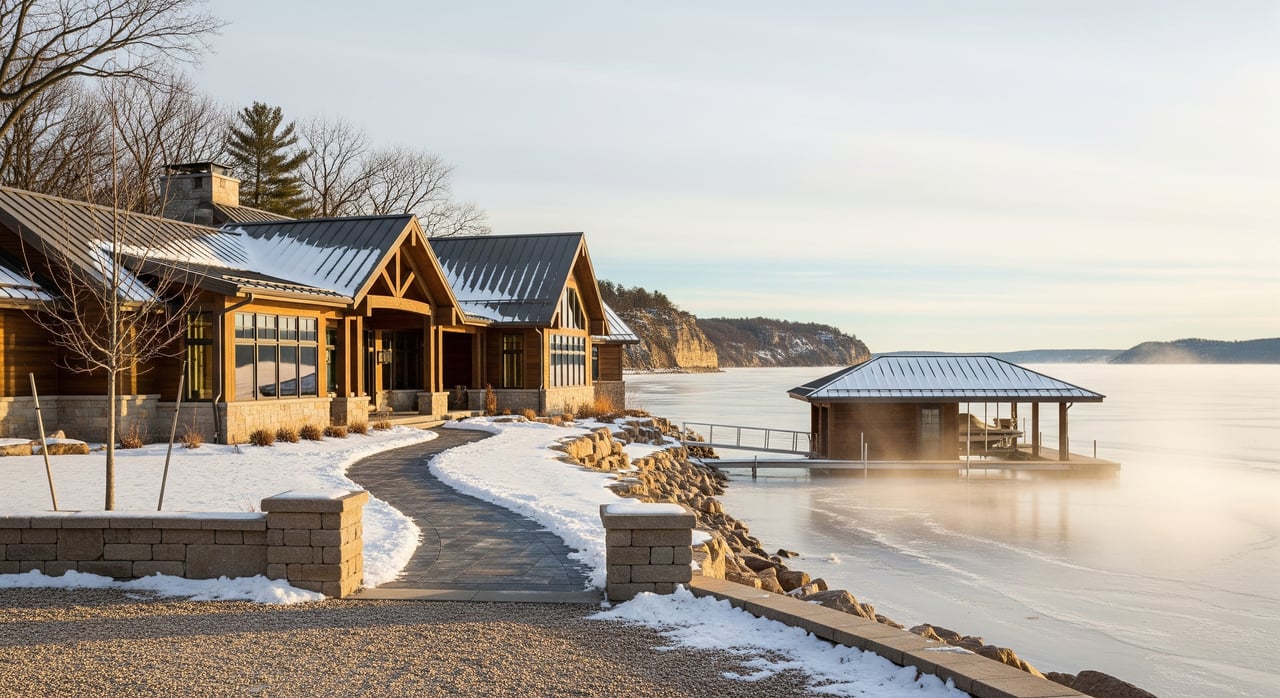
Key risks for lakeside properties include frozen exterior water lines, ice push against docks and shoreline structures, and snow loads on roofs and decks. Shoreline erosion can show up during thaw and ice-out. Ice thickness also varies near channels and moving water, so review Minnesota DNR ice safety guidance before you or your guests venture out.

Protect exterior water and plumbing

Exterior water systems are the first place winter finds a weak link. Give these attention before the first hard freeze.

  • Shut off and drain exterior spigots. If you have interior shutoff valves, close them, then open outside spigots to drain. Remove and drain all hoses.
  • Check frost-free spigots. After shutting the interior valve, open the exterior spigot to confirm it runs dry.
  • Insulate exposed pipes. Use foam sleeves on above-grade pipes and consider heat tape on short exposed runs. Follow product and electrical code instructions.
  • Blow out irrigation lines. Schedule a professional blowout to protect sprinkler piping and backflow devices.
  • Winterize lines to docks or boathouses. Disconnect and drain, or have a pro blow them out. Remove or winterize in-water pumps per manufacturer guidance.
  • Protect private wells. Insulate wellheads and well houses, and keep control boxes above freezing. For basics on private well protection, see the Minnesota Department of Health’s private wells resources.

Watch for drips, frost forming on pipes, or interior water discoloration after a thaw. If you suspect a frozen pipe inside a wall or slab, call a licensed plumber.

Roofs, ice dams, and snow loads

Ice dams and heavy snow can cause leaks or structural stress. Prevention is your best defense.

  • Improve attic insulation and ventilation. Reducing warm air in the attic keeps the roof deck cold and helps prevent ice dams. Learn more from the University of Minnesota Extension on ice dams.
  • Seal attic air leaks. Pay attention to recessed lights, duct penetrations, and attic access points.
  • Clear gutters and downspouts. Keep meltwater moving away from eaves.
  • Use a roof rake after storms. From the ground, pull snow off eaves and low slopes without damaging shingles. For high or complex roofs, hire a pro.
  • Consider heat cables in chronic trouble spots. Have them professionally installed and used per electrical code.

If snow drifts look deep on low-slope areas, or you notice sagging or interior cracks, call a qualified roofing contractor or structural engineer before removal. Unsafe removal can cause damage or injury. Also clear snow off decks and porches to protect railings and joists.

Docks, lifts, and shoreline care

Docks and shorelines face unique stress from shifting ice and fluctuating water.

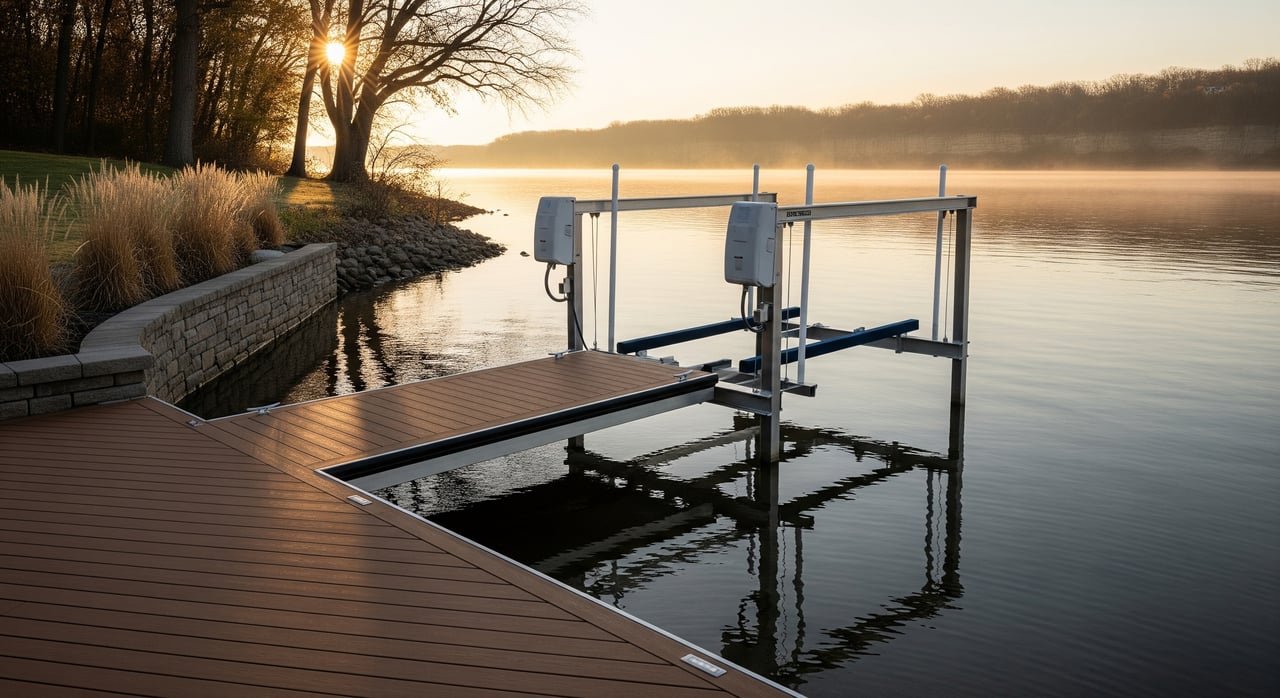
  • Remove or secure seasonal docks and lifts. Follow your manufacturer’s instructions or hire a dock contractor. Disconnect power and water, and store sensitive components indoors.
  • Give fixed structures room to move. Some systems are designed to accommodate ice movement; consult a local dock pro for the best strategy on the Mississippi.
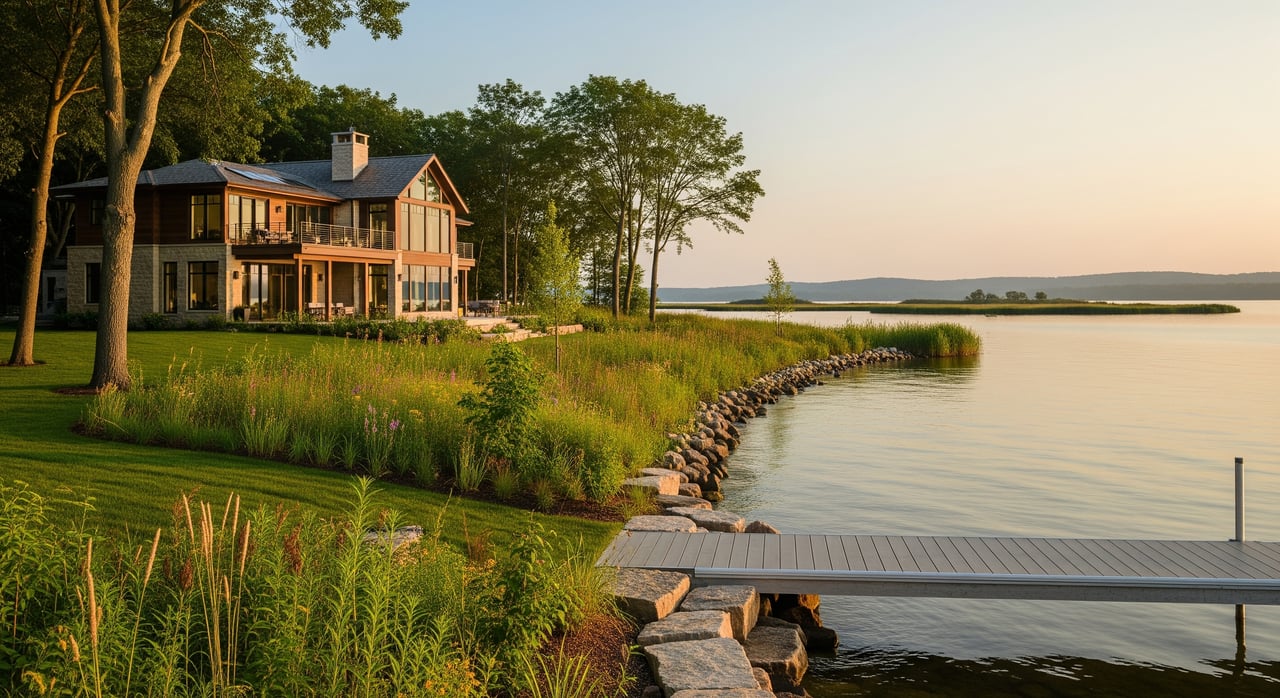
  • Protect your shoreline. Maintain native vegetation buffers to hold soil through freeze–thaw cycles. For planning and best practices, review Minnesota DNR shoreland management guidance and the U of M Extension’s shoreline plantings overview.
  • Use de-icers carefully. Salt can damage concrete and harm vegetation and aquatic life. Use minimal amounts and products suited for use near water.

Inspect riprap and retaining walls in late fall and again after ice-out. Small adjustments now can prevent bigger repairs in spring.

Septic systems and winter access

Keep vehicles and heavy equipment off septic tanks and drainfields to prevent soil compaction and damage. Avoid piling deep snow over these areas. If your system is shallow, ask your septic pro about added insulation or cover.

Plan for winter access. Keep driveways and private roads plowed and sanded so emergency vehicles, fuel deliveries, or contractors can reach you after storms.

Permits, insurance, and pros

Shoreline work often requires permits. Before building or repairing docks, walls, or other structures in public waters, review the Minnesota DNR’s Public Waters Work Permits, and confirm any county or city rules for La Crescent.

Review your insurance coverage for winter risks. Roof collapse from snow load may be covered if the structure is maintained. Frozen pipes and water intrusion vary by policy. Photograph docks, shoreline structures, roofs, and exterior plumbing before winter, and keep receipts for winterization services.

When hiring help, verify Minnesota licensing and insurance. Use the Minnesota Department of Labor and Industry’s license lookup. Ask for local references, written estimates, and warranties.

Questions to ask contractors

  • Are you licensed and insured in Minnesota? Can you share proof?
  • Do you have Mississippi River or La Crescent shoreline experience?
  • What exactly is included in your winterization or removal service?
  • Do you handle permits, or do I apply?
  • What warranty or guarantee do you provide?

Seasonal checklist

Late summer to early fall

  • Inspect roof, gutters, and attic insulation and ventilation.
  • Service heating systems and check carbon monoxide detectors.
  • Schedule dock and lift removal or winterization.
  • Book irrigation blowouts and trim hazardous limbs near the house.

Pre-freeze (mid to late October)

  • Shut off and drain exterior spigots and hoses.
  • Insulate exposed pipes and wellheads; install heat tape if needed.
  • Disconnect water and power to docks; move outdoor furniture and gear to storage.
  • Photograph vulnerable areas for insurance documentation.

Mid-winter

  • Roof-rake eaves and low slopes after storms where safe.
  • Clear snow from decks and check ceilings for signs of leaks.
  • Maintain access paths and monitor shoreline for ice movement near structures.

Late winter and spring thaw

  • Inspect docks, shoreline, roofs, and foundations for damage.
  • Schedule repairs early, before heavy spring runoff.
  • Reinstall seasonal equipment and test systems before reuse.

Protecting a lakeside home in La Crescent comes down to timing, a few smart upgrades, and knowing when to bring in specialists. If you want a second set of eyes on a property you’re buying or need local vendor recommendations, reach out. As your Outdoor Living Real Estate expert, Cam Kelly | OneTrust Real Estate can help you plan a smooth season and make confident decisions.

FAQs

What winter hazards affect La Crescent river homes?

  • Prolonged cold, freeze–thaw cycles, heavy snow, and shifting river ice can damage water lines, roofs, docks, and shorelines. Check local outlooks at the NWS La Crosse office.

How do I prevent ice dams on my roof?

Is it safe to leave my dock in over winter?

  • It depends on your dock design, river conditions, and manufacturer guidance. Many seasonal docks are removed to avoid ice damage. Consult a local dock contractor and review DNR rules.

What permits do I need for shoreline work?

How do I winterize a private well near the river?

Buy. Sell. Live the La Crosse Lifestyle

At OneTrust Real Estate, we take the time to understand your unique needs and use our knowledge of La Crosse County’s market to deliver exceptional results. Whether it’s finding your ideal lakeside retreat or securing the best deal for your current property, we’re here to make the process stress-free and rewarding.